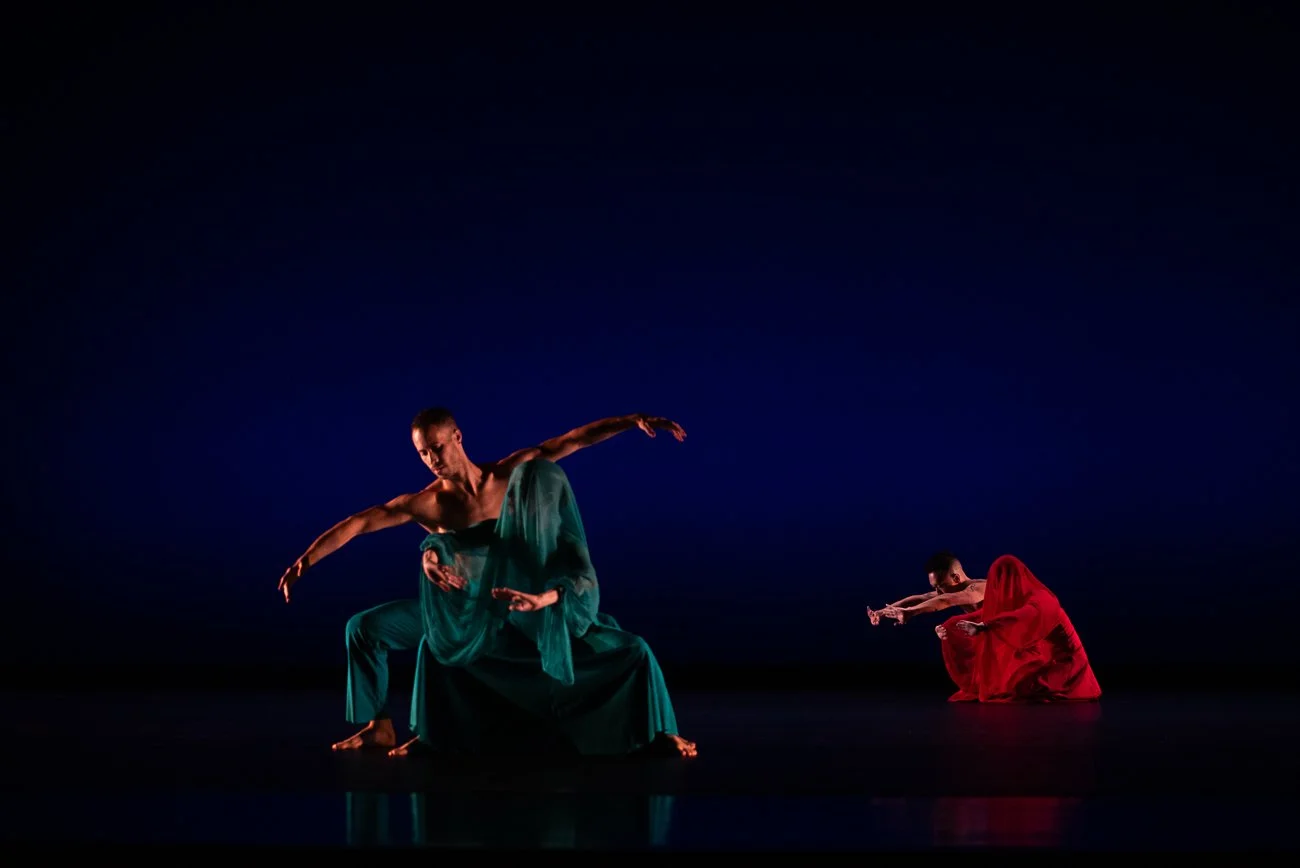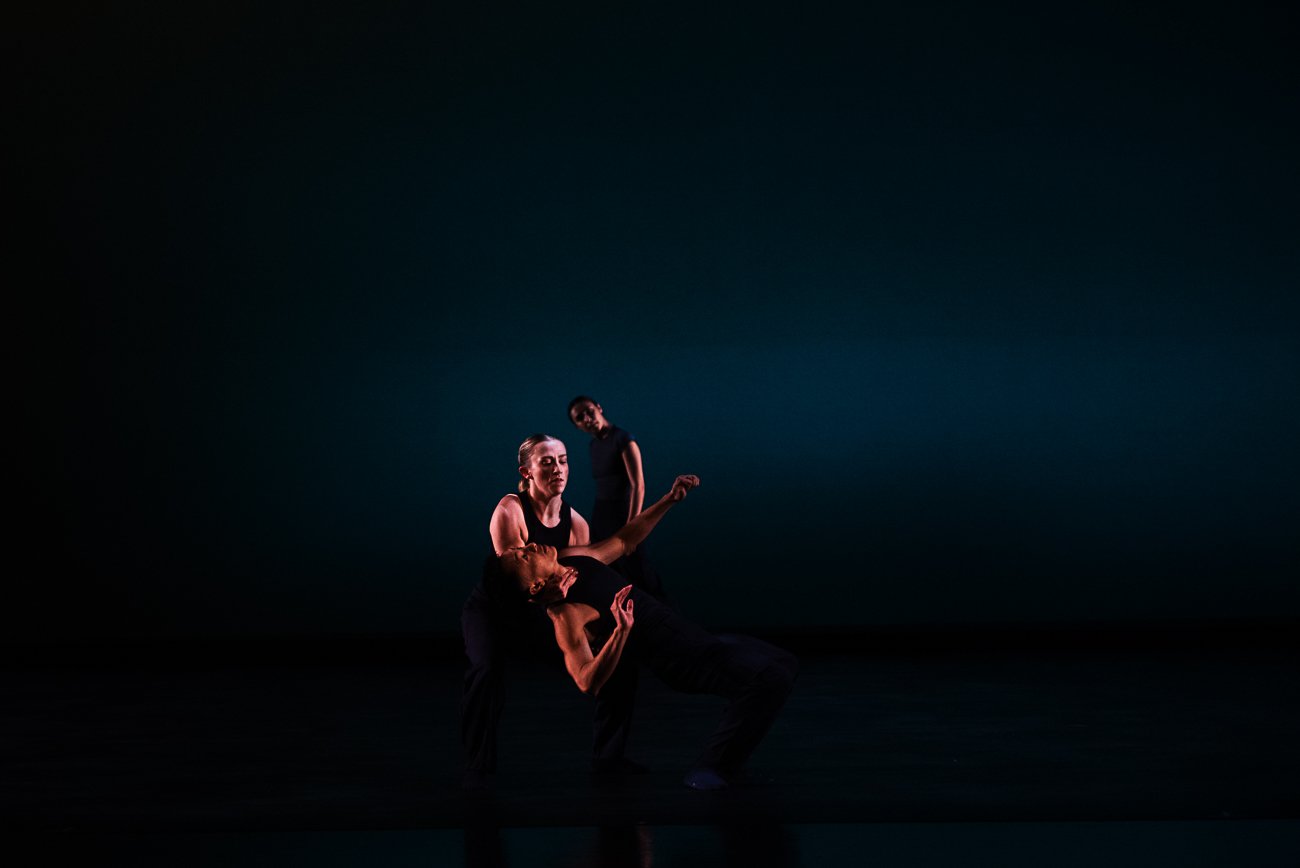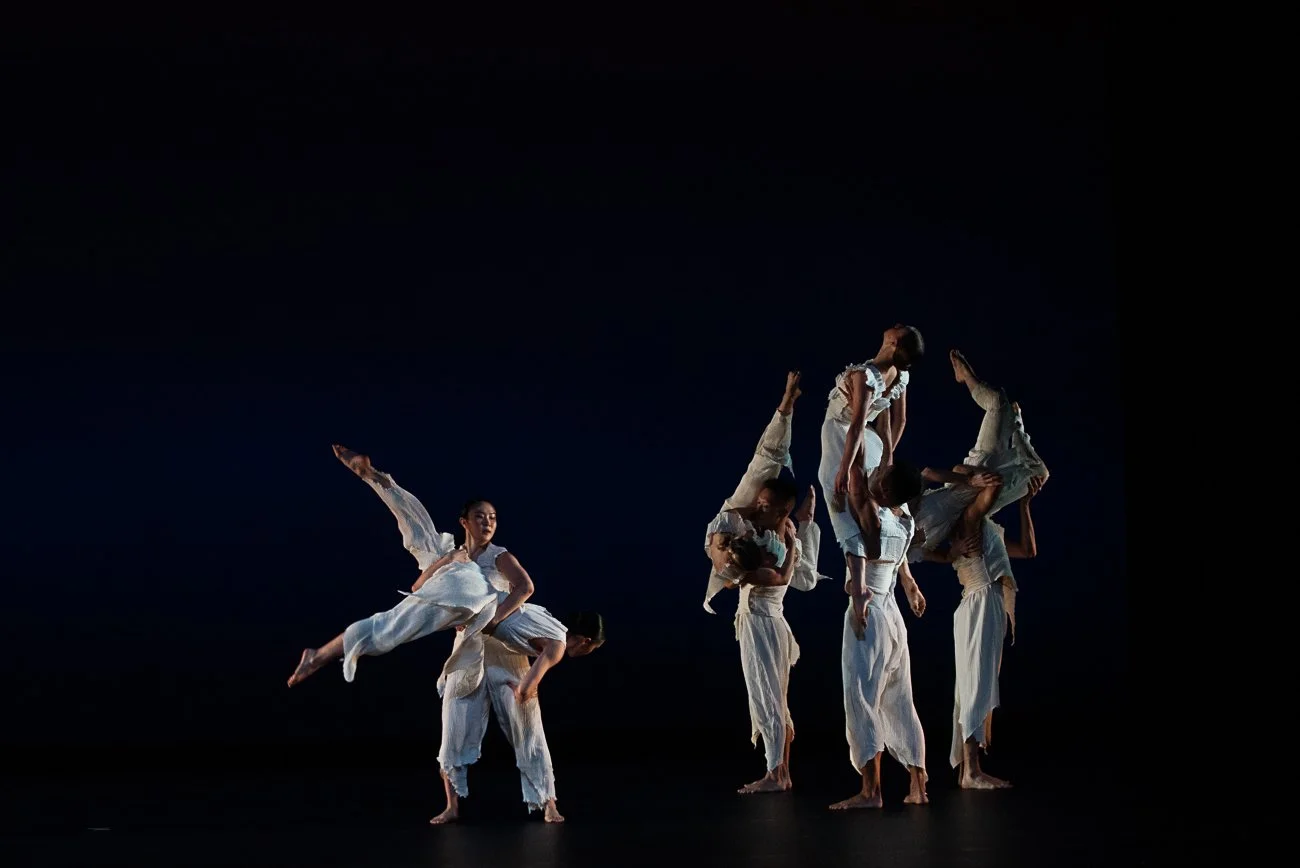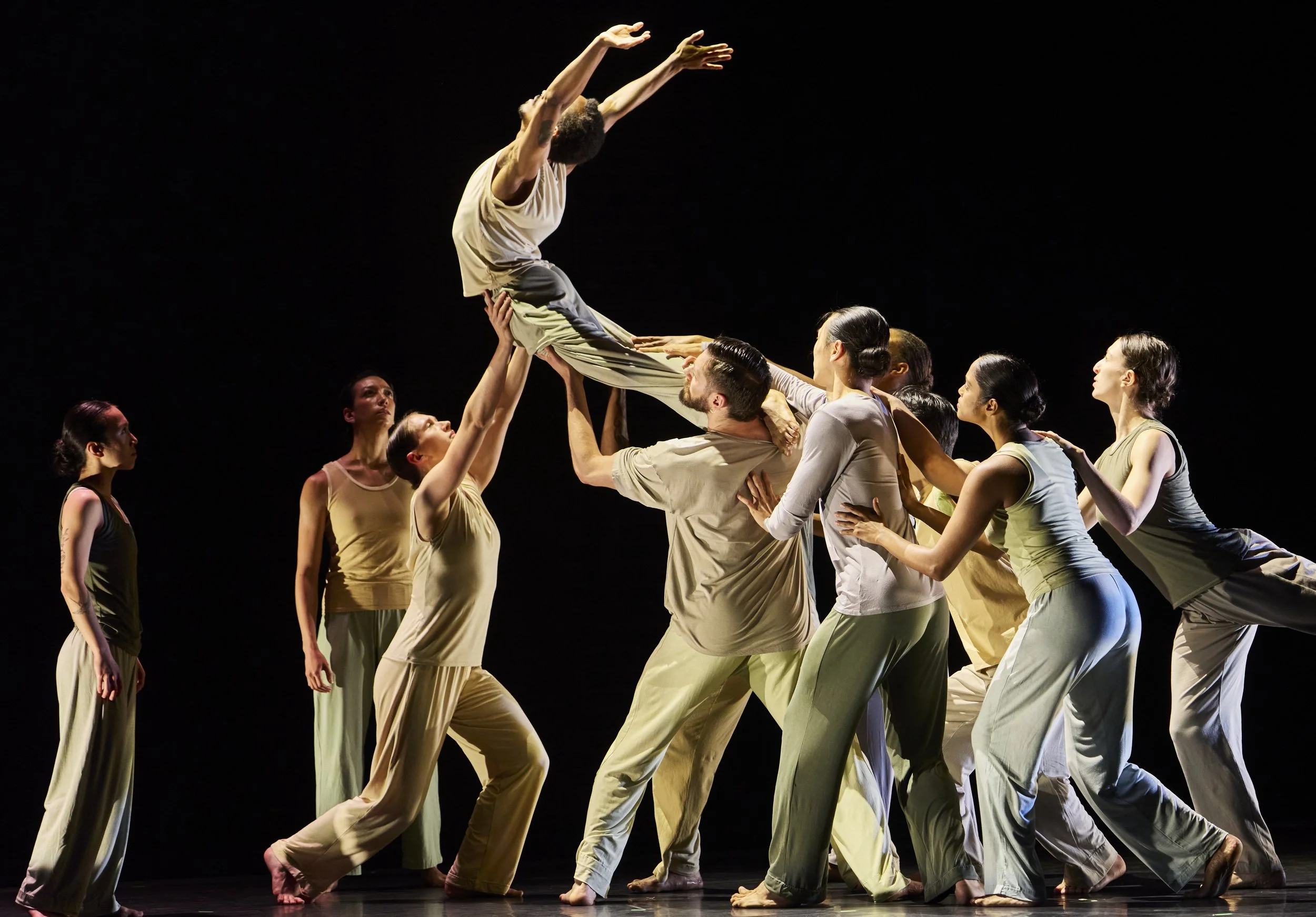
The culinary and the choreographic meet in new Wasatch Contemporary production

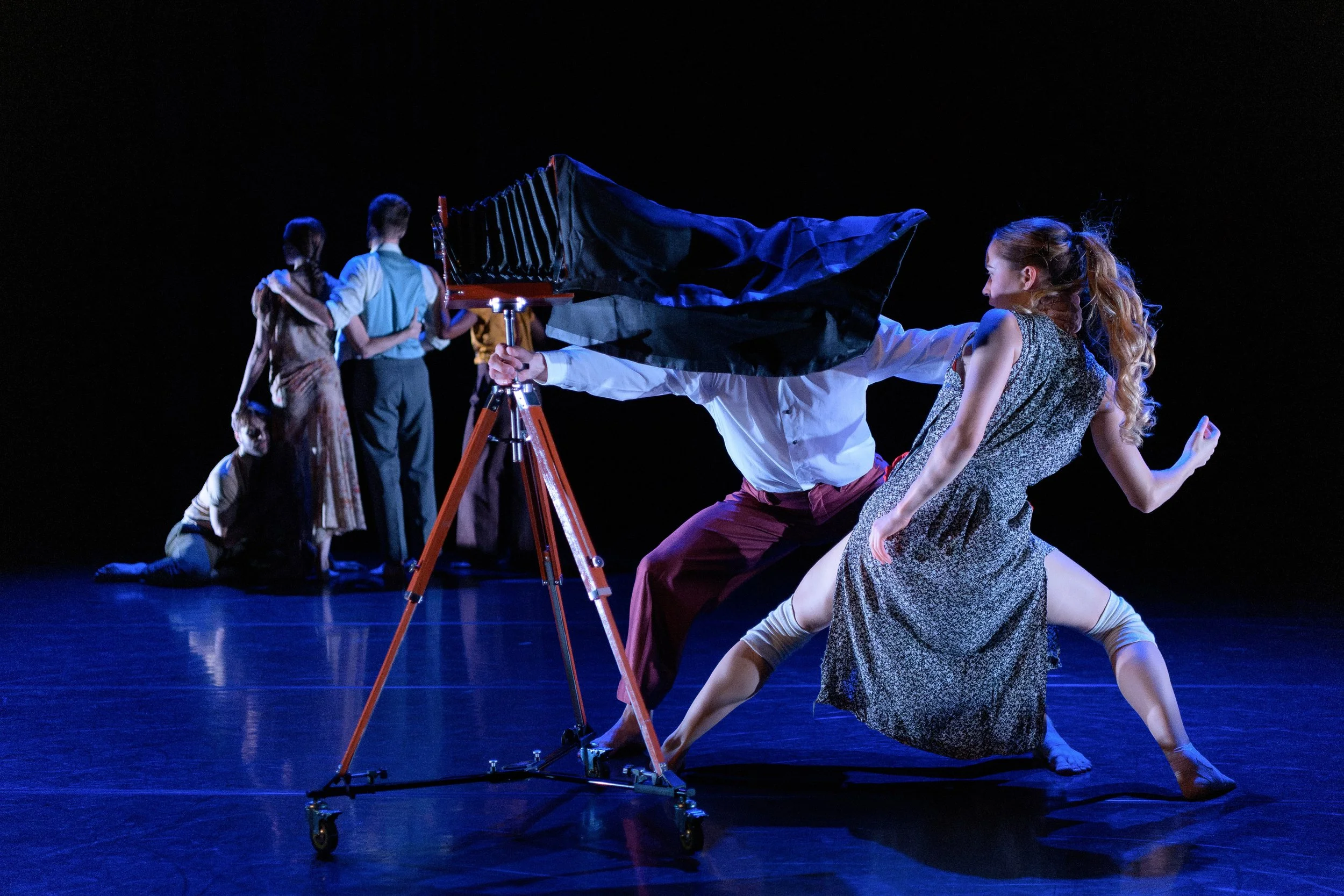
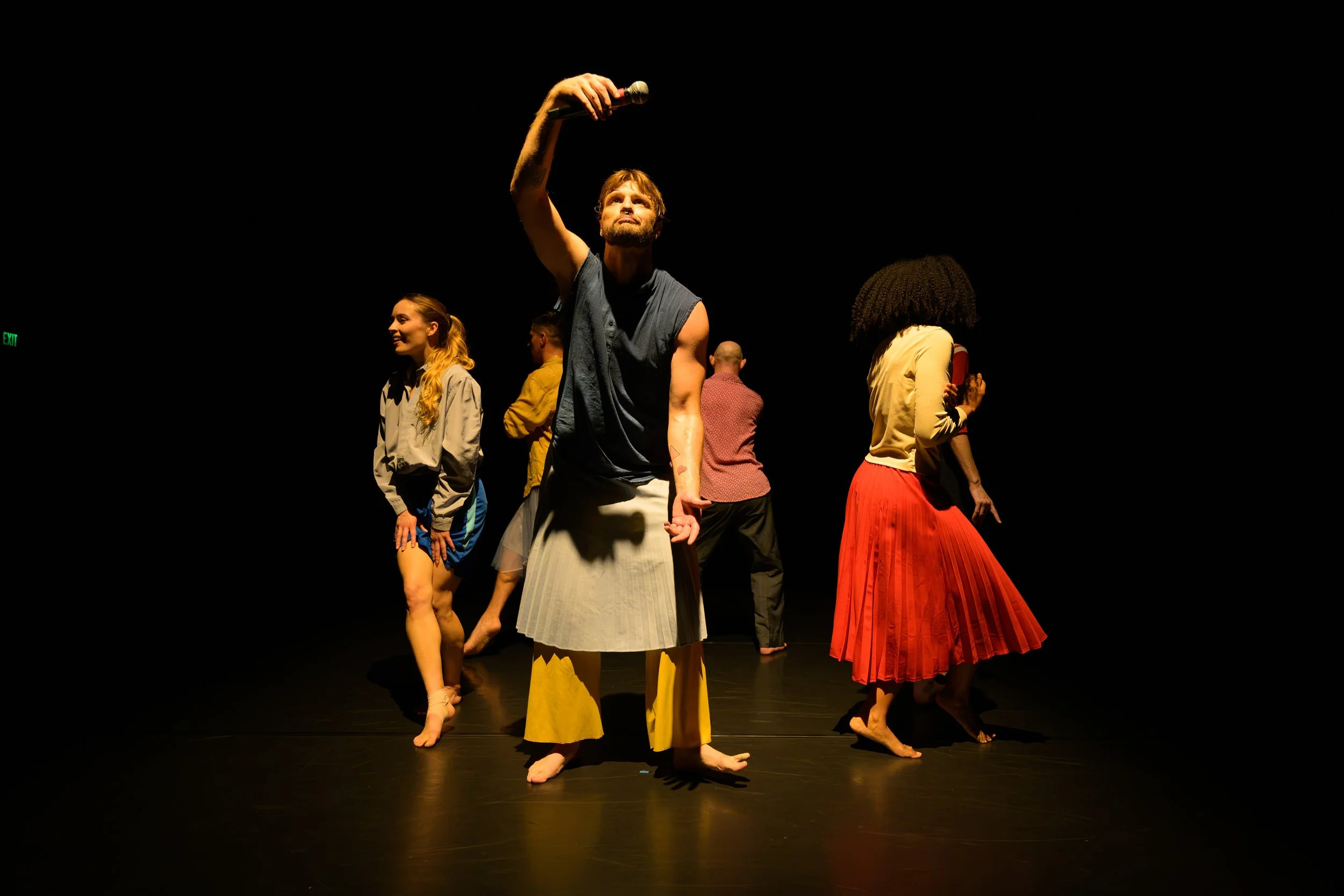
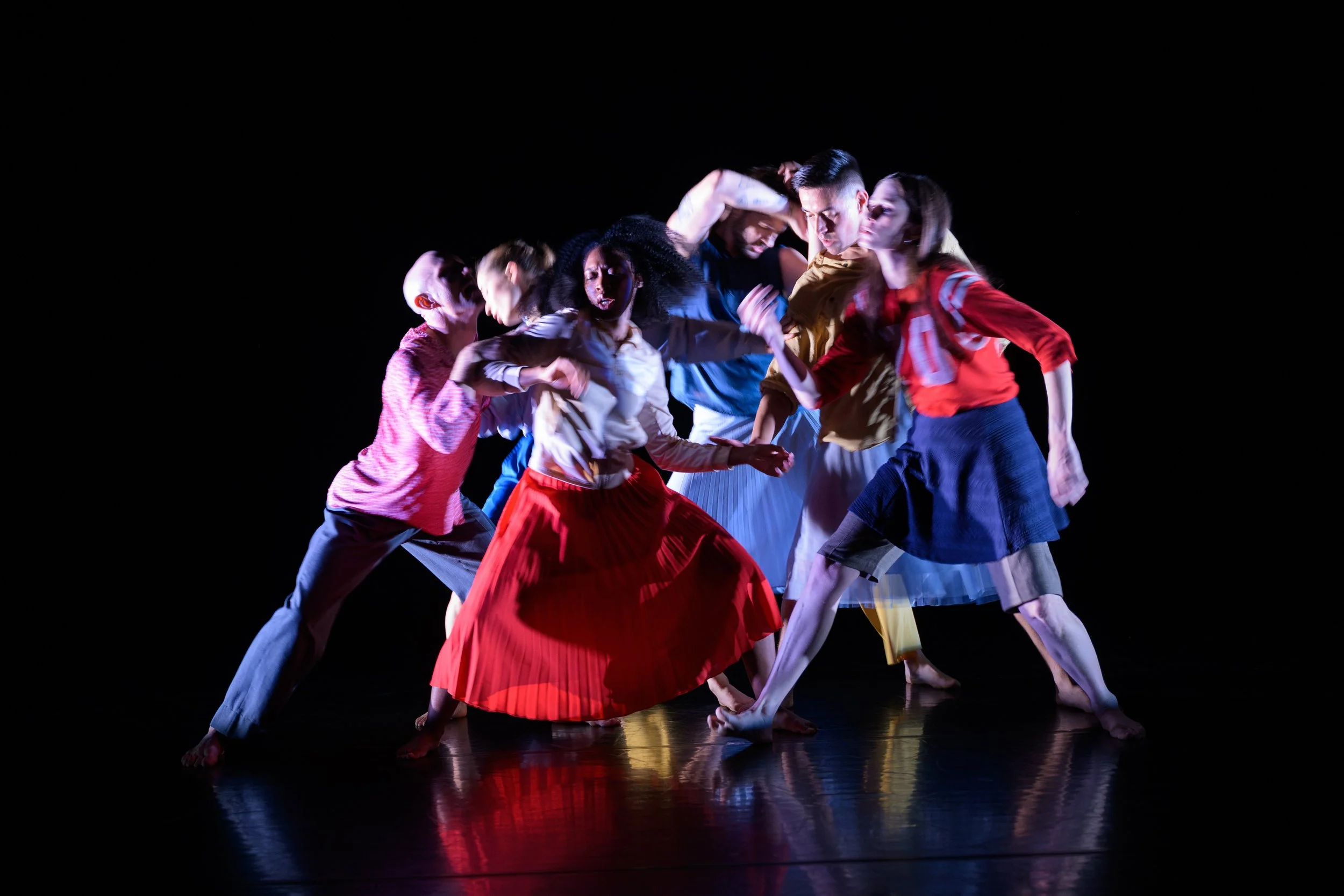
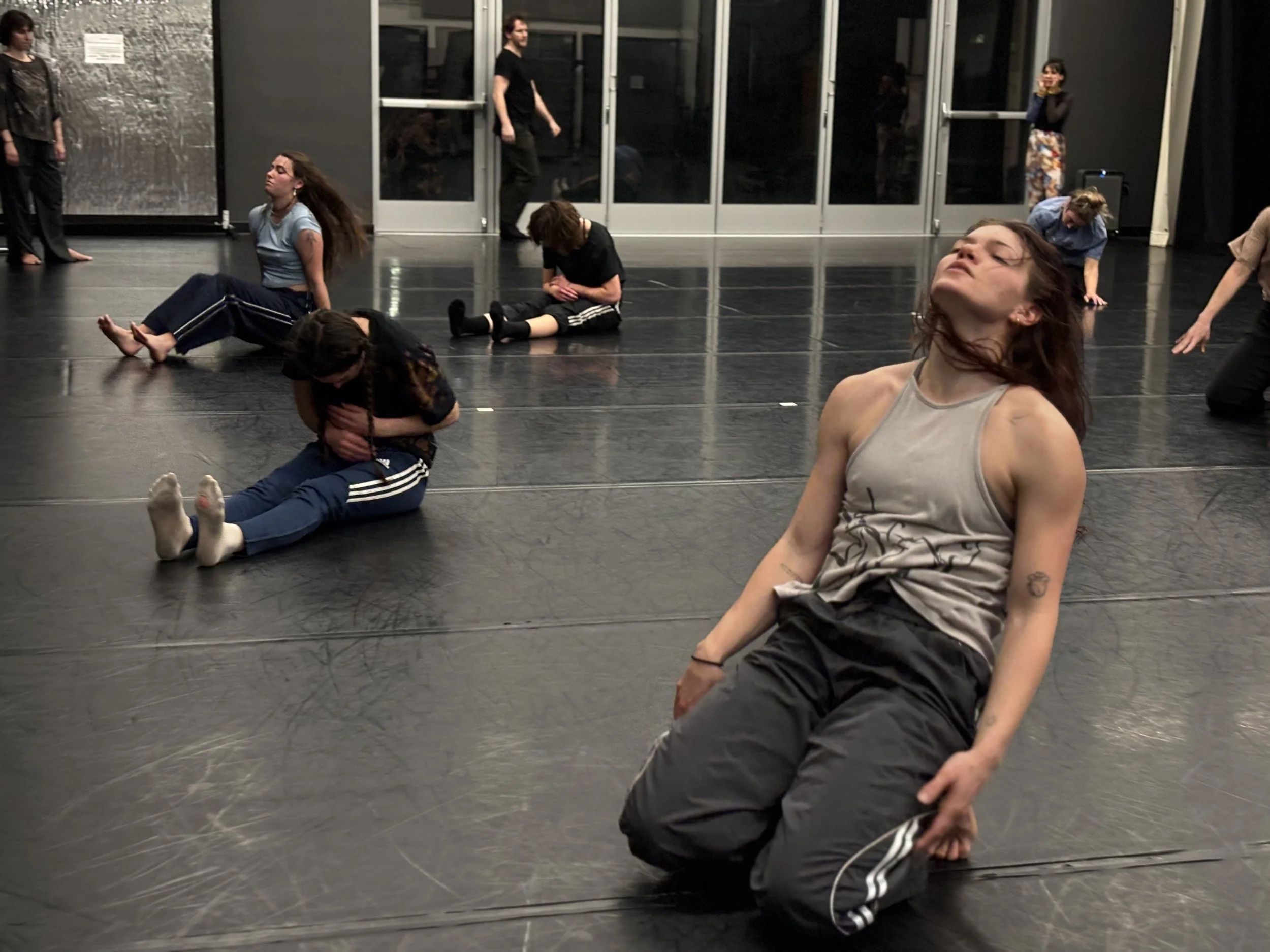
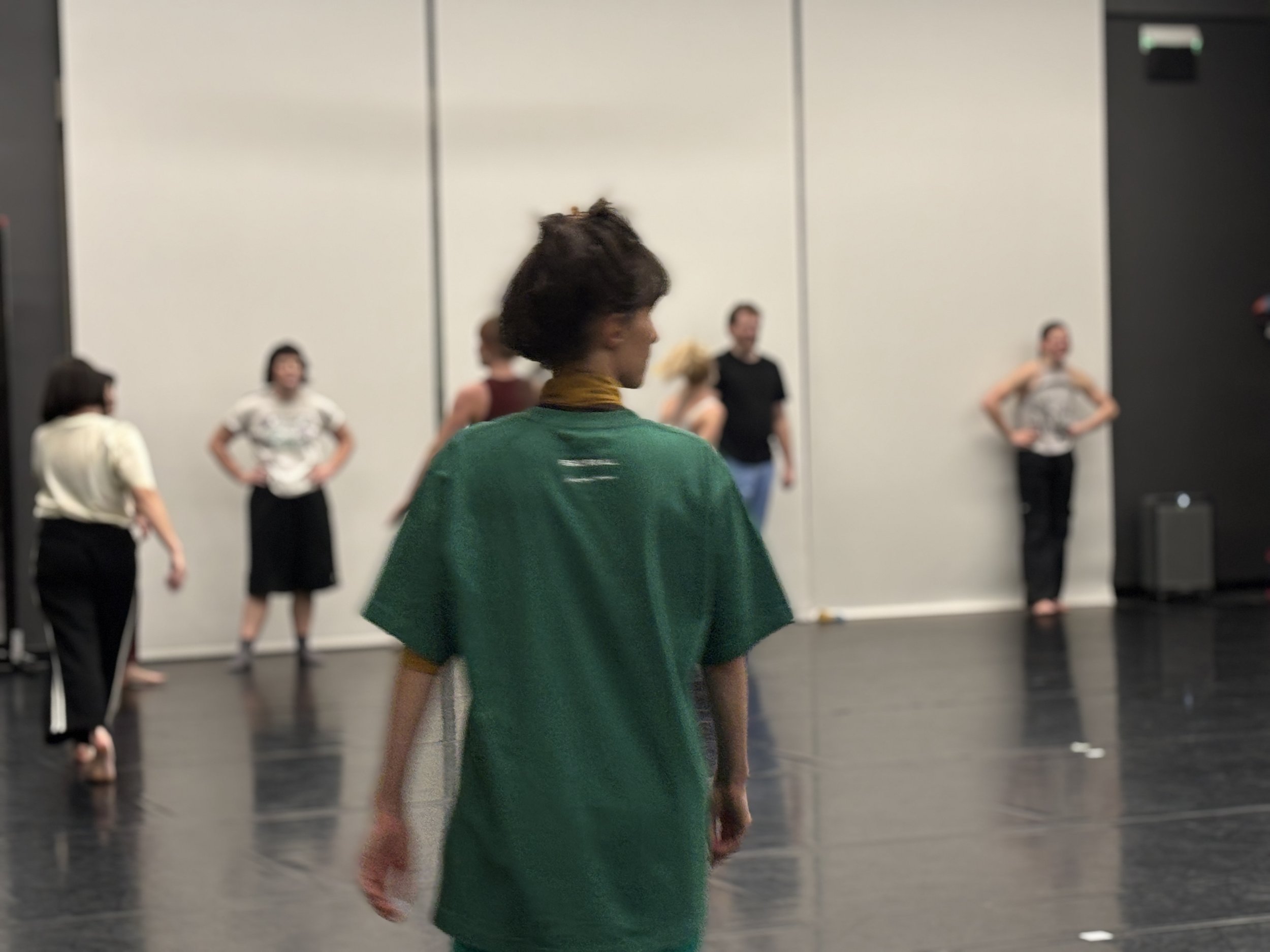
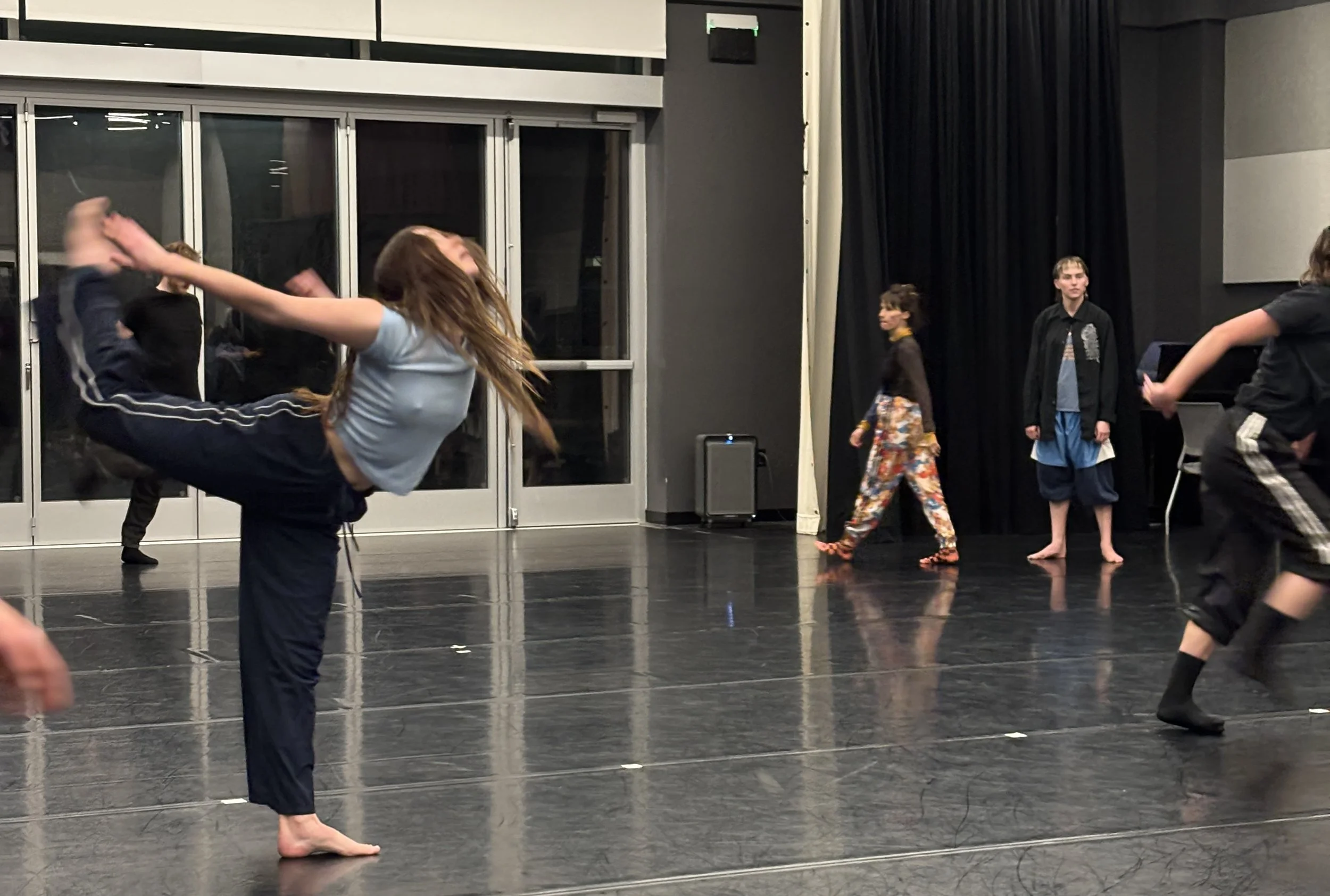
Wasatch Contemporary Dance Company is producing a new work called Savor on Friday, April 10 (6 and 8 pm) & Saturday, April 11 (2 pm, 5 pm and 8 pm) at The Lodge Traverse Mountain in Lehi (3940 Traverse Mountain Boulevard) with discounted tickets available for the April 9 dress rehearsal at 8 pm. I sat down with their artistic director, Jocelyn Smith, to learn a little more about what they’re up to.

Jocelyn, I am curious what led you to the idea of working with food in relationship to choreography?

The idea came from a very personal place. During my mother’s decline with pancreatic cancer in 2022, she lost her sense of taste. Watching that loss (something so ordinary, yet so meaningful) shifted how I think about the body and our senses, and how deeply they shape our experience of joy and connection.

That experience led me to explore how choreography and show design could engage the senses more fully. SAVOR (2024) was created with “taste-driven” choreography for an audience to observe as they eat the specified food. This 2026 iteration deepens that idea by tying food to memory. The choreography highlights foods that are meaningful to the creative team, while audiences are invited to reflect on their own connections to food. It becomes a shared, embodied experience rooted in sensation, memory, and connection.

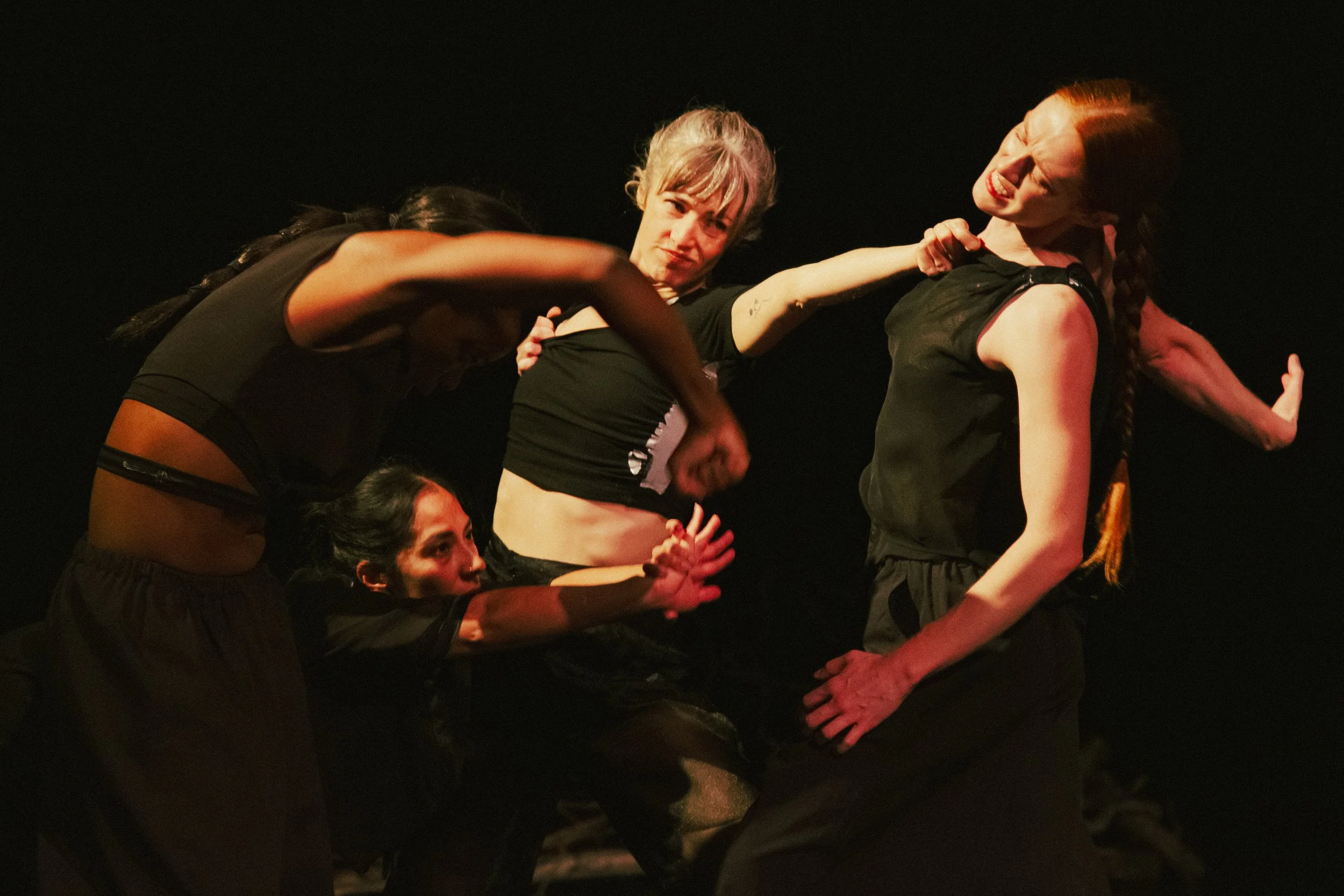
Carissa Clay, photo by Tyler Smith.

Tell me a little bit about each of the choreographers involved in this ambitious project.

This project has a dynamic group of choreographic voices within the company. Rachel Robison, Head Company Teacher, created an ensemble work inspired by orange juice, rooted in a personal memory of her grandfather hand-squeezing fresh juice for her grandmother during summer visits. All nine company dancers choreographed the solos they will be presenting, organized into three “solo galleries”—Breakfast, Lunch, and Dinner. Each gallery features three artists performing their work three times to different musical scores, allowing audiences to choose their own viewing experience.

The Breakfast Solo Gallery includes Ciera Erekson, Mariah Sansbury, and Alexis Valbuena; Lunch features Carissa Clay, Sarah Hancock, and Taylor Tumminia; and Dinner highlights Darcie Day, Aubrey Fisher, and Richelle Rindlisbacher. The menu was collaboratively selected by the dancers, directors, and chef Robyn Farr, and each choreographer has approached their process with care, creating work that is both personal and sensorially rich.

What's it been like rehearsing at the Lodge at Traverse Mountain?

We have been preparing for this show at our regular rehearsal studios at SMASH Dance Academy in Provo. We will step into the performance space next week to familiarize ourselves with the space. We performed SAVOR at the Lodge at Traverse Mountain in 2024 and it has a beautiful, rustic grand hall with incredible views looking over the valley. We have had a great experience with the facilities management and are grateful to host this event there again. 

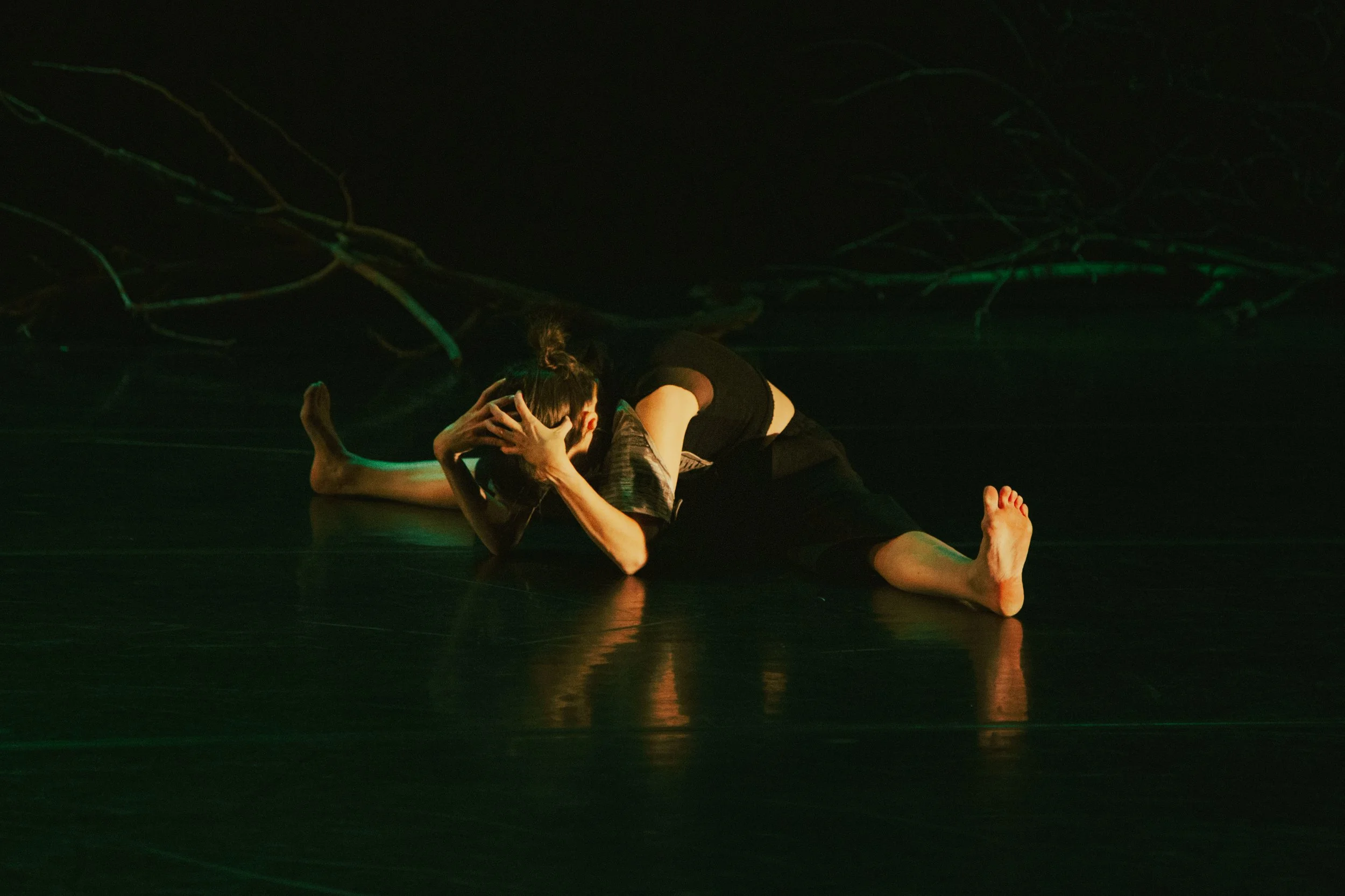
Aubrey Fisher, photo by Tyler Smith.

What else is happening this season for Wasatch Contemporary?

We are preparing for our annual three-day intensive Movers + Makers in June. It is designed for contemporary dancers and choreographers to take class, workshop, rehearse, and perform. It is a favorite of mine! Choreographers and dancers from all over the country attend and create together. It is an exciting performance to have so many new choreographic voices come to the Utah County community to share. Mark your calendars for June 6 to see six completed works performed and created by a diverse group of dance artists. 

What else are you watching and enjoying in the Utah dance community?

Over the past few weeks, I’ve had the opportunity to adjudicate and support events for young dancers and choreographers, and I’ve been inspired by the work they’re creating. These emerging artists bring curiosity, bold voices, and a strong sense of individuality to their craft. The future of dance in Utah is in good hands! Their growth is a reflection of the dedicated dance educators across public schools, the Utah Dance Education Organization, and private studios that continue to prioritize space for choreography and creative exploration.

Samuel Hanson is the executive director of loveDANCEmore.

Community Curated Invitations to Grieve, Molly Heller and Jorge Rojas on Grief Work

I met with Molly Heller and Jorge Rojas after the opening of their co-curated gallery Grief Work. We talked about the emotional experience of the opening reception, the vulnerability of the curation process, and the joys of being in community when surrounded by grief. Visual works are up at Material Gallery March 6th - April 10th. There are two more events as part of this exhibition: 

An Evening of Performance & Film @V. PROJECT STUDIO

April 3rd, 2026, 6pm & 7:30pm: featuring time-based works including music, dance, performance art, and film

Closing Reception @Material

April 10th, 6:30–9:30pm: featuring performance at 8PM, followed by a Grief Rave

Photo by Adelaide Ryder; Artists Right to Left: Christopher Woodward (top), Irene Nelson (bottom), Anna Pottier, Zoe Nicole Nielsen

Kara Komarnitsky

What led this collaboration to circle around grief and what is your history, either as artists or personally, that has informed how you approached this project around grief?

Molly Heller

Grief is something that I've been working with over the last few years in a lot of my dance works, and trauma-informed practices are part of my research at the [University of Utah] so this topic isn’t new to me. That's been a baseline for a lot of the work I'm interested in, but grief specifically has come up over the last few years. And I was like, is there another side to grief? Grief on a personal level has been a part of my life for some time through major loss and a really traumatic accident last year. 

And also, we are all sitting with it, on every level. It's not unique to me. But, I was feeling very isolated personally, and I was at that point where I wanted to be in community again. And so, the start of Grief Work was really just reaching out to find connection for myself. 

As [Jorge Rojas and I] kept speaking, we agreed that grief is a collective experience. Even though we all experience grief very differently, universally, it's a part of life. I think grief can be really isolated, and we can have a lot of shame around it.

It felt like a gallery space could be a place to witness and share and not isolate – and also not have to fix it. Because, I think a lot of art practices, especially when you're writing, want a resolution to something, a box to be checked. That's just not going to happen, and that isn’t important, or the point, actually. 

A byproduct of sharing it together, potentially, could be a release, or a way of feeling something else on the other side. Or we just are learning that we all go through it in one way or another, and learn that we're not alone. 

Jorge Rojas

When Molly brought the idea to us, Colour and I felt it was a great opportunity to collaborate and build an exhibition around what felt like a necessary theme to explore collectively in community [Colour Maisch, co-founder of Material Gallery with Jorge]. 

Where grief really came into my work was during Covid, I was commissioned by Ogden Contemporary Arts to make a work, and I made a piece called Dance for our Departed. There was so much death and sickness all over the world, and we live in a country where our president was in complete denial about it, I was thinking a lot about how communities of color were being affected more directly by it and I was thinking, like, we don't have a place to mourn, and many people couldn't even touch their loved ones before they passed away or as they were passing. 

And so I created this performance called Dance for our Departed, where I used some of my history using live streaming technologies for performance art, and I brought together 34 multicultural dancers all dancing together to the beat of the same drum and music on a Zoom call in different places, some as far as Mexico and even Hawaii and the whole idea was like, we can still come together and mourn. And it feels really, really necessary. 

Kara Komarnitsky

I'm hearing familiar themes of this necessity of togetherness –  how we seek that togetherness against structures or conditions that might make all this feel really impossible. How does this gallery either shift, conflict with, or challenge our cultural stories about what we do with grief? Where is it allowed to be? Who's allowed to grieve?

Photo courtesy of Material

Molly Heller

Well, I think what came up [at the opening] for me is, through spoken word, through an intimate space, through sharing something really vulnerable very up close, the way we all held tears, the way we all held emotion -- I didn't hold them very well -- it would have been a little different for me than if the theme wouldn't have been grief, it might have felt more uncomfortable. 

I think you can have care for but not feel you have to be someone coming in to save the situation or fix it, and sometimes just being alongside someone and being a witness to it is enough. And so I felt a lot of softness, spaciousness, just listening. 

*at this moment Molly is making a gesture with her hands, a soft pressing downwards that ripples through the palms and fingertips, gentle and calming*

Tears are on the ready right now for so many people, individually, collectively, politically, and ecologically. Just to have permission for a moment to let it go felt very palpable. And we don't have to do that labor. It's just holding space for it. It's just the trust in the space and the permission for it, and that felt really different to me than maybe other exhibitions.

Jorge Rojas

I think it's important to acknowledge that this country is really bad at grieving. I'm from Mexico, where we have a tradition of dealing with grief. We have celebrations around our dead, we grieve together, we march together, we cry together. Here, I just feel like there aren't good systems in place for grieving, community systems, cultural rituals, ceremonies, spaces dedicated to mourning, to grieving.

Molly said something to the extent of, this gallery shifts its role from just a place of exhibiting and sharing work to a place of specifically thinking about a certain topic together and processing together and inviting the artists to bring in their own perspectives. 

What is very important to Colour, Molly, and I is that artists of color are represented, queer voices, trans artists, people with disabilities. I mean, there's so many different ways to grieve in the world, and so we tried to have as many voices represented. This is the most diverse thing we've ever done at Material.

Photo by Adelaide Ryder; Artists Right to Left: Lis Pardoe, Vanessa Romo, Holly Rios, Kathleen Granados, Marissa Mooney

Kara Komarnitsky

There’s this key component that you've cultivated at every level which feels like that permission to be softer and slower and more patient. That was co-cultivated by everybody who came into the room [at the opening], the artists represented in the space, and how you presented the evening to the people that were coming so they knew what to expect, and that drew them into that energy.

Jorge Rojas

I don't think we're giving permission. I think we're inviting. Yes. Maybe that's the same.

Molly Heller

I loved how a couple of people afterwards were talking about what pieces really moved them and I heard a lot of people speak to how, this one element they didn't expect, just kind of broke them and cracked them open. And then the spoken word was the release into the space, and you're able then to process your feelings, instead of holding it in for afterwards, you can do it in real time.

Jorge Rojas

What was most moving for me, was seeing the artists in front of their work literally glowing with joy. And when you have artists that have had shows in the space and then an artist that it was their first time having their work exhibited, that was really sweet, too. There was a lot of joy.

Kara Komarnitsky

A phrase that's been very present in my grief journey is “this too” that within all the grief, we get the moments of joy and pride and togetherness, these things get to come along too... and I felt that [at the opening].

Jorge Rojas

Yeah. Someone said the most simple quote, this idea that our capacity to feel grief is proportionate to our capacity to feel love. The more we love, the more we live, the more we put heart and energy into what we do, the more we will breathe out when it's gone. The more human we are, the more we grieve.

Molly Heller

It's there, whether you want it to be or not. It just sometimes gets masked by other things for a minute, but it's going to show up. My grandma described it as this beast -- her family is from Lithuania -- and this beast that's over your shoulder all the time, it's looming, and I feel like it's always there. It doesn't go away, right? 

*Molly is making a clawing gesture with both hands and leaning forward menacingly over the table*

Sometimes you're scared of it, and sometimes it's powerful, and sometimes it's sad.

Kara Komarnitsky

How did you prepare yourself to receive all of the submissions and how has your relationship to grief changed from the process of curating this show? 

Molly Heller

I was a bit overwhelmed. I needed some time with it and I needed to visit the submissions in chunks so I could really show care on the other end and take care of myself at the same time energetically. [Jorge and I] might have said this to each other, but it's funny coming in with so much sorrow and what I'm experiencing the most is a lot of joy right now. I'm tired, but I feel mostly joy and a bit of hope. It's loosened the reins, and I'm not focused on my own stuff, by focusing on community, it’s much less.

Jorge Rojas

I think Molly put it in a really good way. Sometimes knowing that everyone else is grieving, allows you to feel a little lighter about your own grief. What we've created, it's like a collection of poems that we could publish into a book about helping us learn how to grieve by taking all the different forms of grief about the different things to grieve about. 

And there was a lot of vulnerability in the process like that. We had to open up our hearts in a vulnerable way to really feel everything that was coming through. As humans, that's what we do, or we can learn to do. But as performers, we really understand what that means. It's about shutting “ego” off and turning “heart” on and allowing oneself to just be enough in that energetic place in order to read the work carefully.

Molly Heller

For me, it's like a sentence that keeps going, it feels like a culmination in some ways, and also like a beginning. At different times it feels like it has different access points for me in terms of the concept of grief and the feelings around it. 

I'm making a work in the fall that's also a tangent of this, but it's becoming more about what destroys you, and what is the other side of that feeling? What do we do with it? What do we do with it collectively? How do we hold space for it? How do we have action? 

Jorge Rojas

We've all been thinking about community. How do collectives bring energy together and make work that doesn't belong to anybody?

Molly Heller

And be open to community even when it's hard. I think there's a utopian idea about coming together needing to feel good. But you can also come together when things are hard, it's not always about joy.

I am so grateful to Molly and Jorge for sharing their perspective with me and bringing such care and intention to such a vulnerable topic. I’m honored to be included in this gallery, performing a work titled “Mine” on April 3 as part of the time-based works. Visual works are up at Material Gallery March 6th - April 10th. There are two more events as part of this exhibition: 

An Evening of Performance & Film @V. PROJECT STUDIO

April 3rd, 2026, 6pm & 7:30pm: featuring time-based works including music, dance, performance art, and film

Closing Reception @Material

April 10th, 6:30–9:30pm: featuring performance at 8PM, followed by a Grief Rave.

Link here for more info.


Molly Heller is an Associate Professor of Dance at the University of Utah, where she received the 2024 Faculty Excellence Award in Research and serves as faculty in the Arts and Health Innovation Lab. She is the director of Heartland, a multidisciplinary art collective based in Salt Lake City. Her choreography has been presented throughout the United States as well as in Italy and Germany. Since 2018, she has performed with New York–based choreographer Joanna Kotze. For more info: mollyheller.com  

Jorge Rojas is a multidisciplinary artist, performer, curator, educator, and co-founder of Material Art Gallery. Rojas studied art at the University of Utah and at Bellas Artes in San Miguel de Allende, Mexico. His practice spans visual art, performance, and social engagement, examining cultural identity, mediated communication, and systems of art production. His work has been exhibited nationally and internationally and is included in multiple public collections. 

Kara Komarnitsky is an interdisciplinary artist currently making work in Salt Lake City. She received a BFA in Dance from Ohio State University and since then has performed with Myriad Dance Company, Fem Dance Company, and Repertory Dance Theatre amongst many community shows; presented work with Illuminate Salt Lake Festival, Utah Dance Film Festival, Queer Spectra Arts Festival, 801 Salon, Red Rock Dance Festival, and RDT’s LINK series; and continues to seek out new avenues of cultivating wonder in her communities.

Halie Bahr is the Editor of loveDANCEmore. For inquiries please message halie@lovedancemore.org 


Grief Work is A group exhibition curated by Molly Heller and Material, open March 6 – April 10, 2026. The exhibition features works by Jenny Abramson, Andrew Alba, Kirsten Beitler, Sumedha Bhattacharyya, Jenny Chernansky, Steven Chodoriwsky, Esperanza Cortes, Pablo Cruz-Ayala, Rafi Ruffino Darrow, Stefanie Dykes, David Enriquez, Lares Feliciano, Susan Flores, Kathleen Granados, Andy Hayes, Bryan Hutchison, Zak Jensen, Barry Jones, Kara Komarntisky, Ava Kostia, Beth Krensky, Aya Krisht, Kelly Lawler, Kristina Lenzi, Stephanie Liapis, Caroline Liu, LeGrande Lolo, Elías Magdalena, Trinh Mai, Daniel Maldonado, Vincent Mattina, Kym McDaniel, Cameron McLeod, Christina McPhee, Marissa Mooney, Nuha Moretz, Christy Nelson, Irene Nelson, Zoe Nicole Nielsen, Lis Pardoe, Anna Pottier, Chaz Prymek, Holly Rios, Vanessa Romo, Wren Ross, Alejandra Saunders, Victoria Schiodtz, Andrew Rease Shaw, John Sproul, Hannah Vaughn, Peter Wiarda, Tyler Wilson, and Christopher Woodward.

A process that gives peace. Mitsu Salmon interviews Stephanie García on migration and ecological disaster through her new work 'What Have We Lost?'

I sat down with choreographer and interdisciplinary artist Stephanie García to talk about her creative process, collaboration, and the questions shaping her new work, What Have We Lost? García speaks about a practice grounded in inquiry, where meaning develops gradually through the process of making. Our conversation touches on injustice, migration, ecocide, and embodiment, while staying closely tied to the practical realities of creating work with others. What Have We Lost? is presented by Utah Presents’ Stage Door Series and runs February 12–14, 2026. Link to tickets here

Mitsu: Hi Stephanie, thank you so much for taking the time to meet. I am a fan of the work I have seen of yours and would love to hear more about this new work, What Have We Lost, that will be this February at Utah Presents. What are some themes of this work and how does it connect to your previous work?

Stephanie: We started working last October in the studio with dancers, and it was a little blurry for me. The beginning is always hard. But after the last few weeks and having that break, things started to settle. I realized it is still very personal and very connected to my interests, which have always been about human behavior and the human condition.

I am still trying to understand why we cannot find ways to co-exist as a human race. It is not just about daily life, but also about more complex systems of power. We have the ability to reason and solve complex problems, and yet we are always in conflict with violent dynamics.

My work in general deals with social issues and injustices. At different times, the focus shifts. During graduate school, I was very focused on gender violence and discrimination. Now this piece came from seeing how irresponsible we are with the environment and natural destruction. But it also connects to other things. It keeps returning to the question of what are we doing? 

Photo by Emily Muñoz

I think about the future and future generations. Through this work I am thinking about how environmental justice connects to other social issues like inequality and discrimination. The piece started with  the concern of the destruction of the natural world, but it has become about other issues as well.

Mitsu: So your work often deals with injustice and this question of why humans cannot figure things out. You allow the work to evolve. How do you usually begin? 

Stephanie: At first I work alone. I gather, read, collect images, make collages. I have a digital journal. Sometimes I share that with Peter Hay, my collaborator. In this particular project, What Have We Lost?, there is a continuous conceptual dialogue between Peter and myself. Peter has been a key in both witnessing and developing the content of the work. We talk a lot and his feedback is very helpful at this initial stage. Once I have ideas for structure, like a skeleton of the piece, I bring them into the studio and test them with the dancers.

My work is based in movement, but it is also about how I craft the piece as a whole. Pieces that are only [the medium of] dance are harder for me. I feel I need other elements because they help communicate ideas that are complex and difficult to express only through the body.

When starting a new process, I get nervous, especially with new people. In Mexico, I worked with a group where we already knew each other. Here I had to start again, find people who trust each other and build that relationship. With Peter it feels easier because we already know each other very well. But with dancers, especially when everyone is new, you never know how it will go.

Mitsu This upcoming piece is a collaboration with Peter Hay. Tell me more about your collaboration together?

Stephanie: Peter is a visual artist. What I like is that he is not from the performing arts world, so he sees things differently. He brings me back to earth. He helps me understand what an audience might read. I think I am communicating everything clearly, but he helps me see what is missing or out of context.

For this piece, he is making installation work. There is negotiation between ideas and technical possibilities. Sometimes he proposes something and I doubt it, but once it passes through the theater and technical team, I can see it can be very powerful.

Sometimes collaboration is chaotic. We still disagree and misunderstand each other, sometimes because of language. But it is part of the process and it keeps the work alive.

Mitsu: Your work is interdisciplinary. Movement is important, but not the only element. How do you decide what leads?

Stephanie I do not always know. It is very intuitive.

I care about the quality of movement, but sometimes objects create the image first. Bodies are powerful, and when you add something around them, meaning appears. It changes how people look and engage.

A lot of the process is playing, trying things, simplifying. Sometimes we move toward more text, sometimes more movement, sometimes just actions. It is still dance, but from another angle.

Something important for me is that the process should be enjoyable. I have had processes in the past where it became unhealthy, and I do not want that. Even with serious topics, the studio should still feel playful and human.

I also wish we had longer processes, but economically it is hard. That forces you to be efficient. Collaboration is fundamental because instead of one brain, you have many brains offering ideas and solutions.

Mitsu: You mentioned being drawn to movement that does not look like what we are used to seeing.

Stephanie: A lot of contemporary training comes from ballet foundations. Even when it changes, you still see that lineage. I was trained in those languages too.

It is not that I reject that tradition, but I am not interested in seeing the same movement language repeated over and over. Changing costumes while keeping the same steps does not feel meaningful to me.

This also happens in contemporary dance. In the US, the modern tradition is still strong. In Mexico it broke earlier, but we received influence through release and floorwork, which I love and teach. But even those can become repetitive if they are not connected to meaning.

I am more interested in organic movement. Softness, but not weak. Strength, dynamics. I am especially drawn to the spine and its adaptability. I struggle with rigid lines unless they are intentional. I prefer movement that feels responsive and alive. But that is just taste.

Mitsu How did you begin dancing?

Stephanie: It was by accident. My mom passed by the National Arts Center and picked up a pamphlet for the national dance school. She brought it home and asked if I was interested. I did not know what contemporary dance was, but I auditioned. About 300 people auditioned and they accepted 14. I got in. I had no dance background, but I was a gymnast. My mom had been a gymnast and coach, so I trained with her growing up. That helped physically for my audition.

The school included both academics and dance training. The first year I did not understand much. By the second year I discovered I really loved it. By the end of my third year, I began dancing professionally.

Mitsu: You lived in Mexico City until moving to the US?

Stephanie: Yes, my whole life.

I danced with companies, but I always wanted to explore different styles. In Mexico you could clearly identify each company’s language. I was excited by that diversity.

Later I began making my own work. I was invited to tour solo work through UNAM’s cultural program. Then I co-founded a multidisciplinary company with collaborators from theater, dance, and visual art. That is where my interdisciplinary approach grew.

I was also influenced by Mexican theater directors who rework classical texts in radical ways. Seeing that work shaped how I think about form.

Mitsu: How did you end up visiting and eventually living in the US?

Salmon: First through my work in arts administration, and after because of Peter. I became interested in how presenters work, how touring happens, how opportunities are structured. The performing arts company I co-founded was also a nonprofit in Mexico City and I handled grants, applications, and touring for about ten years.

Through that, I met presenters from the US. I was invited to a conference in Tulsa, Oklahoma, where Peter was working. That is where we met. Later my work was presented at Living Arts. That was my first time presenting work outside Mexico.

Eventually I came to the US for my master’s degree.

Mitsu: How does Salt Lake compare to Mexico City?

Stephanie: Lifestyle is very different. In Mexico City, you commute constantly. You leave early, you carry everything, you do not go home between things. Here, you can go home, eat, rest. That makes a big difference.

Pedagogy is also different. In Mexico, teaching used to be very hierarchical. Here, consent and dialogue are more present. That has changed how I teach and direct my work.

The community here feels small but supportive. Conditions are still difficult, but relationships feel more honest.

Mitsu: Does place influence your work?

Stephanie: Yes, I would not have created certain pieces if I had not lived here, especially those related to migration. You cannot truly understand migration until you experience it. The migrant experience is universal, yet deeply personal. It is experienced in much the same way by any migrant, regardless of their legal status, encompassing themes such as displacement trauma, cultural adjustment, and a sense of loss. This experience is multilayered and becomes even more complex depending on the levels of privilege one has when relocating. 

The landscape also affects me. The mountains, the lake, the snow. It deepens my thinking about impermanence and nature. That enters the work naturally.

Photo by Winston Inoway

Mitsu: Is there anything risky or unresolved in the upcoming work What Have We Lost?

Artist: Yes. The piece is immersive but not participatory. The audience moves through the space, but we will not ask them to perform. That boundary feels important.

The risk is timing. We will not know how audience movement and reactions will affect the pacing until people are there.

Also, performers working with spoken text is always challenging as conventional dance training often treats voice as a foreign tool detached from the body. Working with all these elements is exciting.

Mitsu: What feels most essential in this current piece What Have We Lost?

Stephanie: I believe our ability to connect is crucial. What makes this process feel personal to me is that I am sharing my deeply held concerns with my collaborators. While our experiences may differ, we all have the capacity to recognize our blind spots and understand different perspectives. This allows us to realize that we have more in common than we might think.

From an ecological perspective, when the world collapses, I have been thinking that the natural world will survive. What is at stake is us, humans.

Documentaries about evolution and readings about anthropology have been important resources for this piece. Humans are adaptable, but extinction will happen eventually. That is part of life.

So the piece asks if all this conflict is worth it, when we could change how we live? I do not think art changes the world on a large scale. What this process has selfishly provided me with is a sense of peace. It has helped me reconnect with a survival strategy that emphasizes pragmatic thinking. This way, I can maintain a sense of hope and still appreciate the beauty amidst the chaos, especially as a Mexican immigrant living in this country right now.

Some parts of the piece are poetic, some are literal. The audience will interpret what they will.

Photo by Emily Muñoz

What Have We Lost? is presented by Utah Presents Stage Door Series and opens February 12 - 14, 2026. This interdisciplinary performance, created and dramaturged by Stephanie García & Peter Hay, explores humanity's current condition and reflects on what remains in the aftermath of catastrophe. It features movement artists Leslie Jara, Fausto Rivera, and Kellie St.Pierre. Link to tickets here

This programming is funded by loveDANCEmore as part of our in-house writer series, where we have in-depth conversations with artists to get to larger contexts about their work. If you would like to support this programming in the future, please consider making a donation or join our monthly subscription here

Stephanie García is a multi-awarded Mexican dance-maker, movement artist, performer, producer, arts administrator, arts advocate, and independent curator working in the USA and Mexico. She is co-founder and co-director of Punto de Inflexión Project and PROArtes México, and is a loveDANCEmore artist-in-residence. Last April, Stephanie was appointed to the 100th class of Guggenheim Fellows in the field of Choreography. She has collaborated with renowned Mexican and international choreographers, performed at prestigious dance festivals and venues in Mexico and 11 countries across America, Europe, and Africa, and created over 30 original interdisciplinary pieces presented in the USA, Mexico, Cyprus, Ireland, Peru, Panama, Spain, and Cuba. Her work has received grants and funds from Mexican, USA, Ibero-American, Dutch, and Canadian institutions. 

Mitsu Salmon is an interdisciplinary artist and writer based in Salt Lake City, working across performance, sound, and visual installation. Her practice explores translation across media, culture, and personal narrative. 

Her writing has appeared in Dance Chronicle and loveDancemore, and she received the Dance Chronicle Book Review Award. She has self-published artist books including Resonates, Traces, Orchid, and Feathered Tides. She holds an MFA from the School of the Art Institute of Chicago and a BFA from NYU. She has presented work at institutions including the Museum of Contemporary Art Chicago and the Chicago Cultural Center. Her work in Utah has been supported by the Utah Performing Arts Fellowship and grants from Salt Lake City.

Looking back at “Strands of Identity” with Irishia Hubbard Romaine

On Friday, August 22nd, the seats of UMOCA’s auditorium filled up to witness an evening of dance films curated by Irishia Hubbard Romaine, a dancer-filmmaker who lived in Salt Lake City for 3 years. “Strands of Identity: Excerpt and Guest Artist Screening” presented five works exploring the Black experience in Utah through a variety of perspectives, genres, and methods.

Two of the films were created by Romaine: “F3VER” (2024), a documentary following the journey of Andrew “3D Dance Fever” Jones in his roles as street dancer, high school substance abuse counselor, and globally recognized dance fitness instructor; and “Strands of Identity”—Excerpt (2025), a nonfiction film following the experience of two Black women in Salt Lake City that use their hair as a symbol of resilience and connection. Irishia now lives in Pittsburgh, but returned to Salt Lake City for this evening of work, which was inspired by her time in Utah. “When I began developing Strands of Identity, I wanted to create a documentary that highlighted aspects of my experience during my time here in Salt Lake — the people, the stories, the movement, and the memories that stayed with me,” Romaine shared.

The other three films were curated by Romaine to share the spirit of resilience and creativity of Black filmmaking in a white-dominated field. These five films offered a dynamic evening that approached Black storytelling through a range of methods, including fantastical world building, through traditional documentary, through experimental non-fiction filmmaking, and through abstract screendance. Each of these methods centered the experience of Black artists through generative movement and authentic storytelling.

“Nobody’s Child”—Excerpt (2025), directed by Makayla Hopkins, is a documentary through the eyes of Makayla of her father, Charlie who was born during the Vietnam War to an American GI and Thai mother in Bangkok.

“Invisible Power” (2023), directed by Cayla Mae Simpson,is a screendance where two Black dancers move across the city of Newcastle seeking their own quiet moments.

“Gold Sphere” (2023), directed by Jade Charon Robertson, imagines gold hoop earrings becoming a portal to an alternate universe created by Black Girls who can study, research, and find connection through movement. This short film is rooted in Afrofuturism and envisions an universe where Black girls can discuss and escape the racial unrest in the United States of America.
After the screening, Aja Washington, Host and Lead Programmer of the Black, Bold, & Brilliant (BBB) series, facilitated a Q&A with several of the artists involved in creating the films. The Q&A cultivated a dynamic conversation about race, racism, and the very specific experience of being Black in Salt Lake City. Many of the panelists remarked on how rare it is to have this kind of conservation – frankness about being Black in Utah, and having Black hair in Utah – publicly. Hubbard Romaine wanted to recognize the significance of the vulnerability that poet Franque Bains and rock artist Pepper Rose shared throughout the process of creating “Strands of Identity.” As Rose reflected, “I don’t ever say this stuff out loud.” For their part, Bains and Rose reflected that art allows ideas to be shared that might otherwise feel like oversharing. The films and the discussion that followed provided an opportunity for Black artists to share their authentic experience in their own words, and be visible on their own terms.

Pictured left to right: Aja Washington, Justis Aderibigbe, Makayla Hopkins, Pepper Rose, Franque Bains, and Irishia Hubbard Romaine.

By the end of the Q&A, I was struck by the way that film as an art form demands community; every aspect of the process relies on collaboration. After this event, I had the opportunity to sit down with Romaine to discuss her filmmaking and curatorial process. 

Rae Luebbert: What brought this event together, especially as you are no longer living in Salt Lake?

Irishia Hubbard Romaine: I always wanted to tell a story of my experience of Salt Lake City. Everywhere I went people had their own perception of how I got there and the labels and the stigmas of who I am as a Black person living in Utah. I wanted to create something that highlighted this community and what was possible. In doing that, it became a much larger thing and I realized I needed to share an excerpt of this work. 

Rae Luebbert: “F3VER.” is such an amazing documentary. What were you considering as the director to capture these scenes with the movement that reflected both what Andrew “3D Dance Fever” Jones is doing and how this is impacting the community?

Irishia Hubbard Romaine: This film was commissioned by Dance Camera West. I originally wanted to create a dance film shot in many locations. Then looking at the footage and because of some technical difficulties with the DP that was provided for me, I realized that all of these [original] locations would not work. So, I needed Andrew to actually talk about these locations. Andrew is such a lively person. On the first day we met, he sat down with the little spider man box that is pictured in the film and it had all of his life in there; medals, passports, money from abroad, gifts, everything in this box. He sat with me for an hour, hour and half ready to tell me his story. Every time he mentioned something from the box, he would say “And that was on this street!” “And that was over there!” This gave me a ton of locations. You see some of the spaces that are used are community spaces true to Bakersville, CA [where the work was filmed]. All the students have their own stories and we were able to pay them for their contributions. 

Working with the technical difficulties meant that I had to rely on found footage. Andrew had all of this footage saved from traveling and working with kids. This actually made the story more interesting because you could see his younger self, but it also made the film really difficult to edit. 

Rae Luebbert: This evening had five films, two of them you directed and the other three were from other directors and filmmakers, which you curated. These films represented a variety of genres, but all centered Black voices and experiences and storytelling. What drew you to these three other films included in the evening?

Irishia Hubbard Romaine: Justis shared Makayla’s work with me. I fell in love with the trailer. In relation to “Stands of Identity,” [“Nobody’s Child”] showed these singular perspectives about things that everyone has experienced but then have their own ways of navigating. Mikaela’s documentary does a great job of sharing that. A Black female filmmaker in Salt Lake City in a white male-dominated space, it is important for her to have a platform as she builds her career in Salt Lake. I saw Jade’s work through “Dance Camera West” as a board member. It was important for me to share this film knowing that it is a perspective that isn’t commonly reflected in the dance film circuit. I wanted to give it a platform to reach a different audience so people can see how you can weave the narrative with dancing while also having this identity portion. [Jade] was able to take the perspectives of her students and the community that she has built and give them that opportunity to see themselves in their new world with this motion capture. 

I am always inspired by Cayla’s work. She has done a lot of work in New York with well known contemporary dance artists. The rhythm of her edits and how she is able to create an emotional draw from seeing these two figures experiencing something. [The two dancers] have crossed paths before, spiritually and are experiencing different sensations separately. I really enjoyed that film and what she was able to create. Cayla’s film “Invisible Power” was commissioned by Serendipity Institute for Black Arts, a UK organization whose mission is to centre perspectives from the African and African Caribbean Diaspora, embedded as part of cultural experience for all . 

Rae Luebbert: All of these films are quite stunning. In Cayla’s film there is a moment where the dancers are leaning into each other in the street and you can really feel their weight pressing into each other. 

Irishia Hubbard Romaine: Yeah, and I love the pacing of it too! We get to experience one of the figures in the rain and it continues to build. You are waiting for the resolve and then boom, it cuts into this next concept.

Rae Luebbert: My next question is about your film “Strands of Identity.”  Can you talk about your process to approach nonfiction filmmaking? Specifically the way you play with elements planning and some improvisation and maybe letting the narrative evolve or surprise you?

Irishia Hubbard Romaine: I think I treated it like choreography. This might have been a challenge for certain individuals. When I create live performance choreography, I make up choreography on the spot. I can have a full skeleton of a score of sorts, but at the end of the day, I go off of what is happening in that moment and react in the present. I think that is how this documentary was created. I had clear ideas of what I hoped [Franque and Pepper] would talk about. In honoring how I wanted to approach documentary filmmaking and entering from a choreographic approach, there was only so much that I could plan for. I had an idea of location and things I wanted to capture.

After making this film, I have reflected a lot on the element of communication in a documentary process. I realized I needed to check in more about how much they would be sharing as the documentary filmmaking process and  intense durational process. Explicitly breaking down that your emotions may shift during the process as you're working in this vulnerable place. You talk about these things in a studio setting and in a syllabus with group agreements, expectations, tractile feedback, verbal feedback. If I do this process again, I have been thinking about how I would build this same framework and apply it to film setting so everyone feels supported. I loved that we had these relationships so people felt vulnerable enough to share because of our shared love for each other. 

Rae Luebbert: There is movement and dance in “Strands of Identity” which is really striking to watch. My understanding is that the folks in the film have varying levels of experience in dance and are mainly not professional dancers. Can you talk about what that was like to bring them into this movement experience? Did you offer any coaching?

Irishia Hubbard Romaine: Most of us would take this House class every week with Chacho Valdez at the School of Dance. We were already dancing. We danced together. How do I get them to feel more comfortable dancing solo? I would give them a task and we would talk through it and then I would count them in. Sometimes it would take five or six times to make them feel comfortable. We started with gestures related to care and what that feels like. I would guide them through a score and let them make choices within that. 

Rae Luebbert: I know that “Strands of Identity” was an excerpt. Is a longer work coming?

Irishia Hubbard Romaine: I would love to continue editing to get the work in a place where I feel comfortable to see if there is money and support to extend the film. There was a third story …but I don’t know if it will necessarily [fit], … and I am no longer in Salt Lake. I will not be re-entering into this work until next year [because of other projects]. 

Rae Luebbert: That leads right into my next question! What else are you working on? 

Irishia Hubbard Romaine: I am a curator for “Dance on Camera” this year. I have so many films to watch! I am an artist in residence for the Louis Armstrong museum. I will be going through his archives and doing light filming. I will be able to be in his house and will do a live performance in October. 

I did a residency earlier this year in Wilmington, North Carolina called Cucaloris. They have a VR and immersion residency and I got to work with VR for the first time and we will have an artist salon in November. And that’s it! 

For more information about Irishia, please visit her website at https://www.irishiahubbardromaine.com/


There are two more events in the Black, Bold, & Brilliant Series:

  • Bring Them Home tells the story of a small group of Blackfoot people and their mission to establish the first wild buffalo herd on their ancestral territory since the species’ near-excinction a century ago. This was presented on November 5 at 7:00pm at the Utah Film Center

  • Beyond the Mix showcases a diverse array of genres and influences, highlighting the global reach of contemporary music. Presented on December 10 at 7:00pm at the Utah Film Center